Remote Commissioning of Oaths and Declarations in Ontario
Commission affidavits and statutory declarations by video under O. Reg. 431/20 — anywhere in Ontario.
Ontario allows commissioning of oaths, affirmations, and statutory declarations to be administered remotely by two-way audiovisual technology, under Ontario Regulation 431/20 (made under the Commissioners for Taking Affidavits Act, R.S.O. 1990, c. C.17). This is a permanent feature of Ontario law and a useful option when the deponent cannot easily attend a commissioner’s office in person.
What we can commission remotely
- Affidavits for use in Ontario civil and family court proceedings
- Statutory declarations for federal and provincial government programs (CRA, IRCC, ServiceOntario, etc.) where the receiving body accepts remote commissioning
- Common-law status declarations
- Sworn statements of loss for insurance claims
- Declarations of name use, marital status, or identity
- Affidavits of execution for wills (subject to specific witness requirements)
What requires in-person attendance
- Certified true copies of original documents
- Notarized signatures on US-bound documents (powers of attorney, real estate forms, IRS paperwork)
- Documents destined for an apostille from Ontario’s Official Documents Services
- Authentication of signatures on passport applications and foreign identity documents
- Any document where the receiving body specifies “in person” or “wet ink”
How a remote commissioning session works
- Send the unsigned document. Email a clean copy of the affidavit or declaration to the commissioner in advance.
- Book a live video session. The commissioner will set up a secure two-way audiovisual call (Zoom, Teams, Google Meet, etc.).
- Identity check. Hold a current government-issued photo identification (passport or driver’s licence — original, unexpired) up to the camera for the commissioner to inspect.
- Read, swear or affirm, and sign. The commissioner administers the oath or affirmation, confirms you understand the content, and watches you sign your physical copy of the document.
- Return the document. Courier or scan the signed document back to the commissioner. The commissioner completes the modified jurat (referencing O. Reg. 431/20 and identifying both party locations), signs, and returns the executed document to you.
Five conditions that must be met
- Real-time, interactive, two-way audio and video. No pre-recorded video. No telephone-only sessions.
- Government-issued photo ID inspected on camera. Original document, not a scan or photocopy.
- Modified jurat referencing O. Reg. 431/20 and naming the physical location of both the commissioner and the deponent.
- Confirmation of understanding and voluntariness. The commissioner must satisfy themselves that the deponent understands the document and signs freely.
- Records retained. The commissioner keeps a record of the session, including a copy of the executed document.
Who can commission remotely
Lawyers and licensed paralegals in good standing with the Law Society of Ontario are commissioners for taking affidavits by virtue of office under O. Reg. 386/12. As of March 1, 2026, articling students and Law Practice Program candidates are also commissioners by virtue of office under O. Reg. 20/26, restricted to work performed during their formal placement. Other commissioners hold restricted appointments granted by the Ministry of the Attorney General.
Find an Ontario commissioner
Many of the Toronto-area notaries listed below also commission oaths and declarations remotely. Use the directory to filter by location, language, and services offered.
Andrew Hardie Ballantyne
Andrew Hardie Ballantyne, lawyer and notary public, offers comprehensive legal advice and counsel in the Greater Toronto Area. Andrew Hardie Ballantyne is appointed as a Notary Public by…
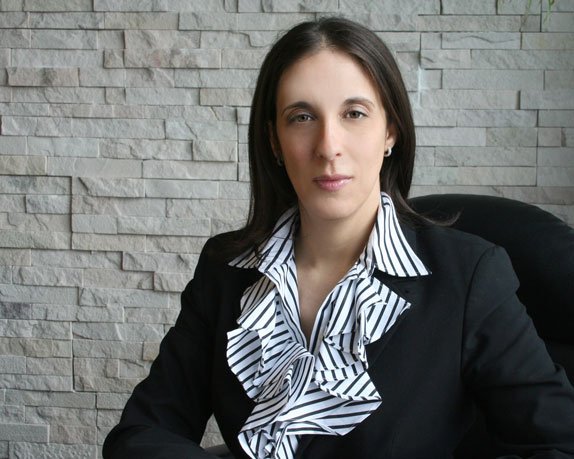
Karen Zvulony
Karen Zvulony is a lawyer that provides legal services in employment law, human rights law, insurance law, civil litigation and assessment of lawyer’s bills. Karen Zvulonyis appointed as…